
Applying For JMT Permits
How, When, & Where
The John Muir Trail:
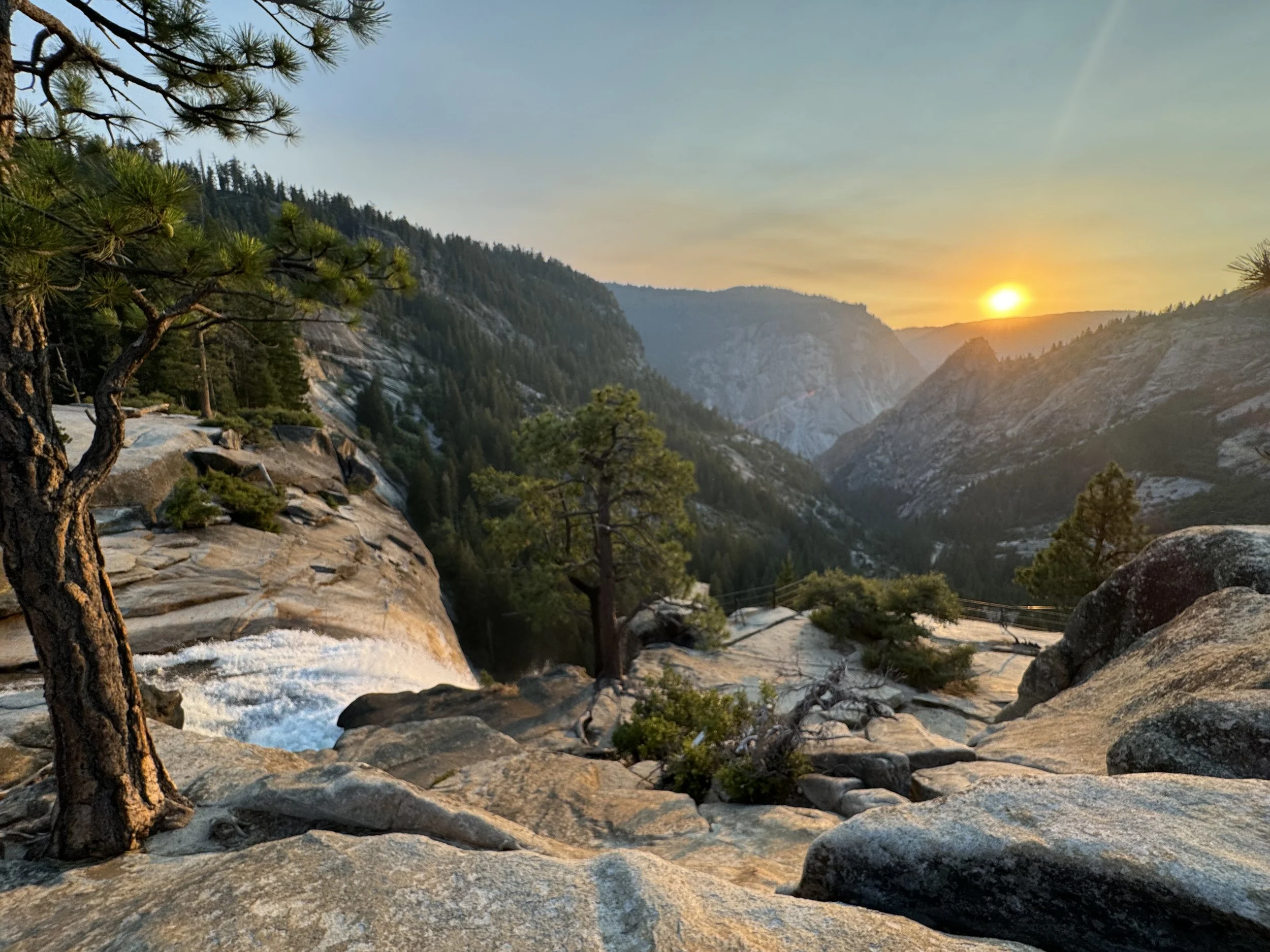
The John Muir Trail is a 211-mile route through the heart of California’s Sierra Nevada, winding past granite peaks, alpine lakes, and some of the most iconic wilderness in the country, including Yosemite, Kings Canyon, and Sequoia National Parks. Long before it was named after John Muir, this path followed ancient travel routes used by Indigenous peoples, particularly the Paiute, who call it Nüümü Poyo, meaning “The People’s Trail.”
Where Do I Apply?
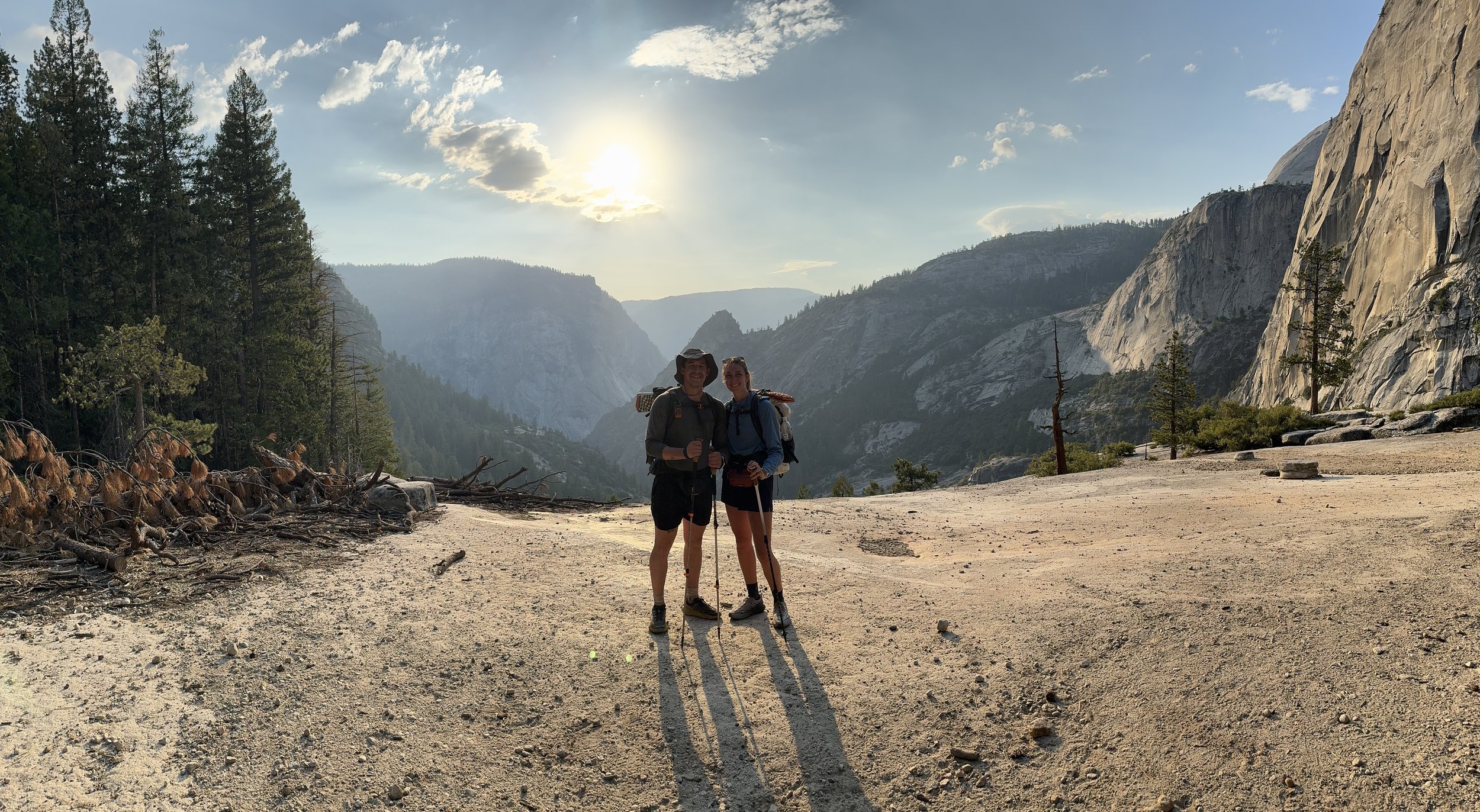
If you’re dreaming of hiking the John Muir Trail, one of the first (and most important) steps is securing a permit. JMT permits are issued based on where you start your hike, not where you finish, which can be confusing at first. Most applications go through Recreation.gov, but the managing agency depends on your chosen trailhead. If you’re heading northbound from Yosemite, you’ll apply through Yosemite National Park’s lottery system, while southbound hikes that start outside the park—like those beginning near Mt. Whitney—are permitted through Inyo National Forest. With permits in high demand and limited availability, planning ahead, being flexible with your start date, and understanding your entry options can make all the difference.
When Do I Apply?
Timing is everything when it comes to John Muir Trail permits, and applying early gives you the best shot. Most JMT permits become available months in advance, typically in the late winter and early spring for the upcoming summer hiking season. Yosemite National Park releases northbound permits through a lottery window, while permits for trailheads outside Yosemite (like Inyo National Forest) are released on a rolling basis, often six months before your intended start date. Because dates fill quickly, it’s smart to mark permit release days on your calendar, build flexibility into your itinerary, and have a few backup start dates or trailheads ready. A little preparation goes a long way when you’re planning a trail this iconic.
History of The JMT
The John Muir Trail has its roots in the early 20th century, following ancient Indigenous routes that crossed the Sierra Nevada long before modern maps existed. As interest in wilderness preservation grew, the idea of a continuous trail through the High Sierra gained momentum, inspired largely by the writings and advocacy of naturalist John Muir, who championed the protection of these mountains. Construction of the trail began around 1915 and continued in phases through the 1930s, with major contributions from the U.S. Army, the National Park Service, and the Civilian Conservation Corps. In 1938, the route was officially completed and named in Muir’s honor, creating a continuous path from Yosemite Valley to Mount Whitney and cementing the JMT as one of the most iconic long-distance trails in the world.
Good Omen now is a fully thought out business. Not just an idea. We have learned what our mission is, and how important that is to us. We honed in on exactly what we want to offer.
We would not have been able to do this alone. So many people have been in our corner supporting us and cheering us on. We want to acknowledge that it takes a tribe, and we feel like our tribe has uplifted us in innumerous ways.